
Can dental implants replace failing partial dentures in Narellan?
Presenting Clinical Problem
A patient in their early sixties presented with long-standing functional and comfort issues related to existing partial denture treatment requiring comprehensive implant rehabilitation.
- Partial Denture Instability: Chronic movement and poor retention of lower partial denture affecting chewing function and speech clarity
- Gingival Irritation: Recurring soft tissue inflammation and ulceration caused by ill-fitting denture clasps and pressure points
- Bone Resorption: Progressive jawbone loss in edentulous areas leading to further denture instability and facial support changes
- Adjacent Tooth Compromise: Visible wear and mobility of natural teeth supporting partial denture clasps
- Dietary Limitations: Significant restrictions on food choices due to inadequate chewing efficiency and denture displacement
The primary clinical objective was to restore stable, comfortable chewing function while preserving remaining natural teeth and preventing further bone loss through fixed implant-supported restoration.
Treatment Plan & Clinical Process
A staged treatment approach was developed to transition from removable partial dentures to fixed implant-supported restoration with careful consideration of healing requirements.
Phase 1: Diagnostic & Planning:
Comprehensive assessment included 3D CBCT imaging to evaluate bone quantity and quality for implant placement. Digital treatment planning software was used to determine optimal implant positioning and assess need for bone grafting procedures. Existing partial denture function and tissue health were thoroughly evaluated.
Phase 2: Surgical Preparation:
Bone grafting procedures were completed in areas of inadequate bone volume to support implant placement. Healing period of 4-6 months was required before proceeding to implant surgery. Temporary denture modifications were made to improve comfort during healing phase.
Phase 3: Implant Placement & Restoration:
Three dental implants were placed using guided surgery techniques for precise positioning. Following osseointegration period, custom abutments and porcelain crowns were fabricated to restore function and aesthetics. Final restoration was designed to integrate naturally with remaining teeth while providing stable chewing function.
Frequently Asked Questions
What is the typical cost for dental implants in the Narellan area?
Dental implant treatment costs vary significantly based on individual clinical requirements, number of implants needed, and complexity of any preparatory procedures such as bone grafting. Additional costs may include temporary restorations during healing, ongoing maintenance appointments, and potential future component adjustments. Comprehensive consultation with diagnostic imaging is essential to provide accurate, personalised treatment estimates.
What are the risks associated with dental implant treatment?
Like all surgical procedures, dental implants carry potential risks including infection, nerve damage, sinus complications (for upper jaw implants), implant failure or rejection, and the need for additional procedures. Recovery involves temporary swelling, discomfort, and dietary restrictions. Smoking, certain medical conditions, and poor oral hygiene significantly increase risk of complications. Thorough medical and dental history review helps identify individual risk factors during treatment planning.
How long is the recovery period for dental implants?
Initial healing typically requires 7-10 days with gradual return to normal activities. Complete osseointegration (implant integration with bone) takes 3-6 months before final restoration can be placed. Temporary dietary modifications and careful oral hygiene are necessary throughout the healing period. Multiple appointments over several months are required to complete the full treatment process from implant placement to final crown delivery.
Clinical Outcome
The treatment successfully helped the patient move from problematic partial dentures to a stable implant-supported restoration. The implants gave a secure foundation for the new crowns, getting rid of denture movement and making chewing much easier and more effective.
How well this treatment works depends on how well your bone heals, keeping your teeth clean, whether you smoke, and following the after-care instructions properly. Making implants last long-term means keeping up with regular dental visits and taking excellent care of them at home. Everyone responds to implant treatment differently, and how one person heals might be quite different from the results someone else gets.



Service we mentioned
Dental Implants
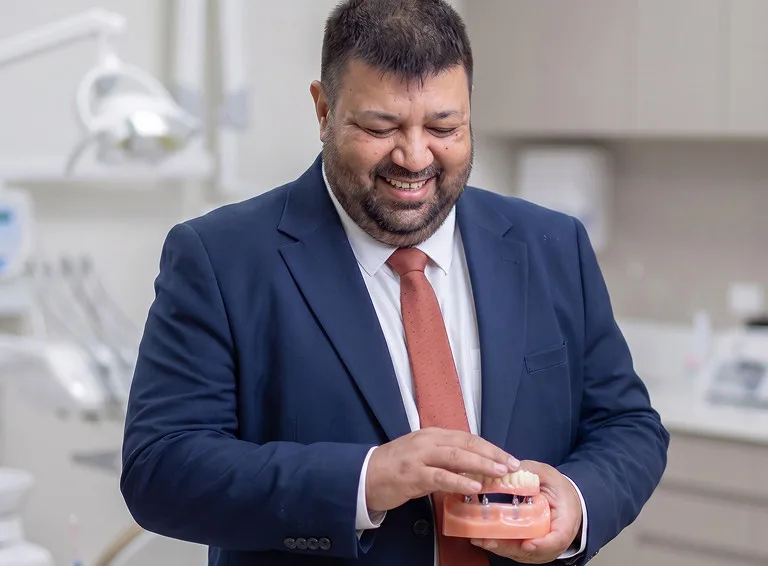
Dental implants are a fixed, long-lasting option for replacing missing teeth, and our team here at SmileSavers can help you work out whether they're suited to your situation.
Dental Crowns & Bridges
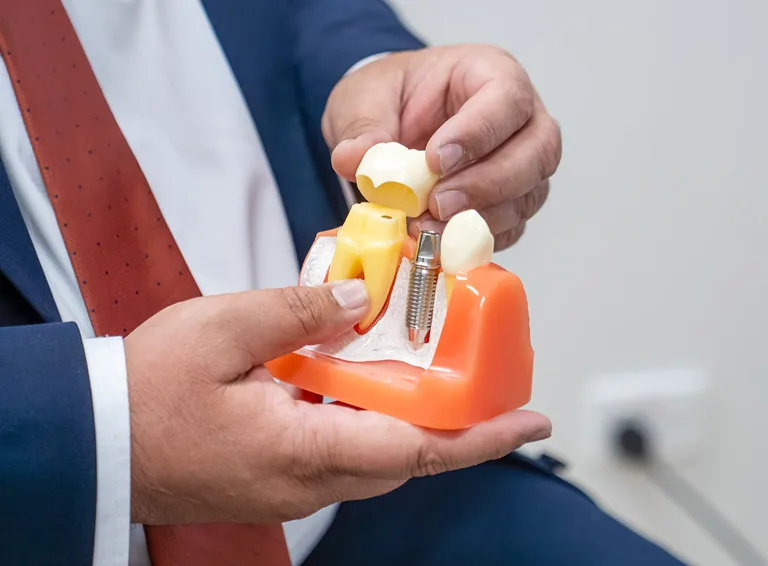
Crowns and bridges are time-tested options for exactly these situations, and our team here at SmileSavers can help you work out which approach makes the most sense for your teeth.
Insights from the Chair
Can full mouth rehabilitation restore severely damaged teeth in Blairmount?
Can composite veneers provide an affordable smile makeover in Smeaton Grange?
Can crowns and a dental bridge restore multiple damaged and missing teeth in Smeaton Grange?
OUR BLOG
Insight from the Chair
Let's Get Your Smile Started.
Ready for a healthier, fresher smile? Fill out the form below to ask a question or book your visit. Our friendly team will be in touch shortly.